Insulated ducting and fittings play a critical role in ensuring energy efficiency and optimal airflow within modern HVAC systems. By incorporating a thermal barrier, they minimise heat loss and prevent unwanted heat gain, which directly translates into lower energy bills and improved system performance.
In addition to enhancing thermal efficiency, duct insulation helps reduce condensation inside ventilation lines, protecting them from moisture damage and extending the lifespan of the system. Whether for residential, commercial, or industrial applications, choosing high-quality insulated ventilation ducting ensures consistent air temperatures, better comfort, and reduced operational costs.
What are Insulated Ducting & Fittings?
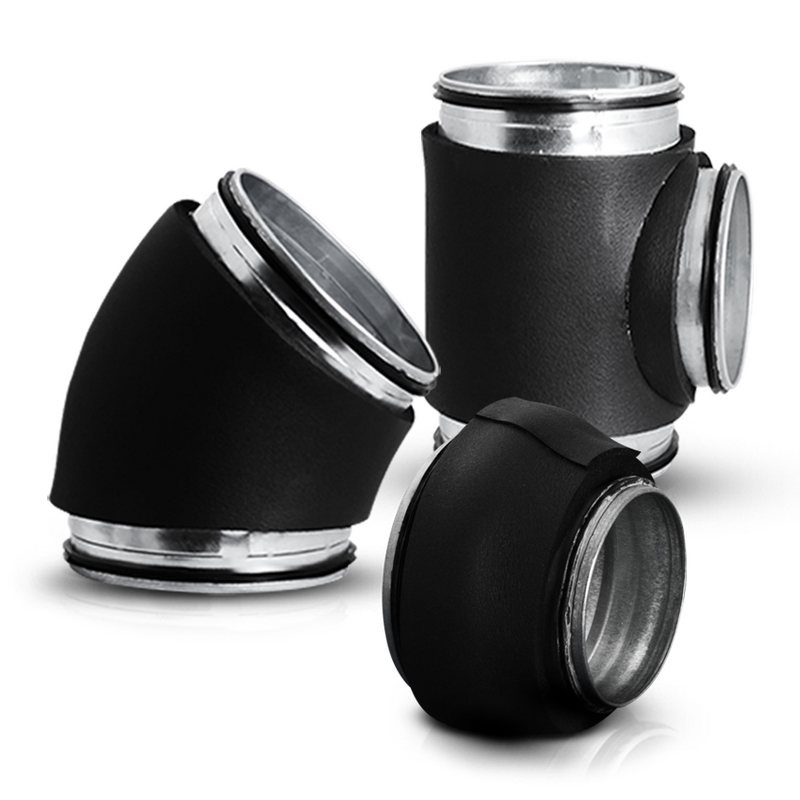
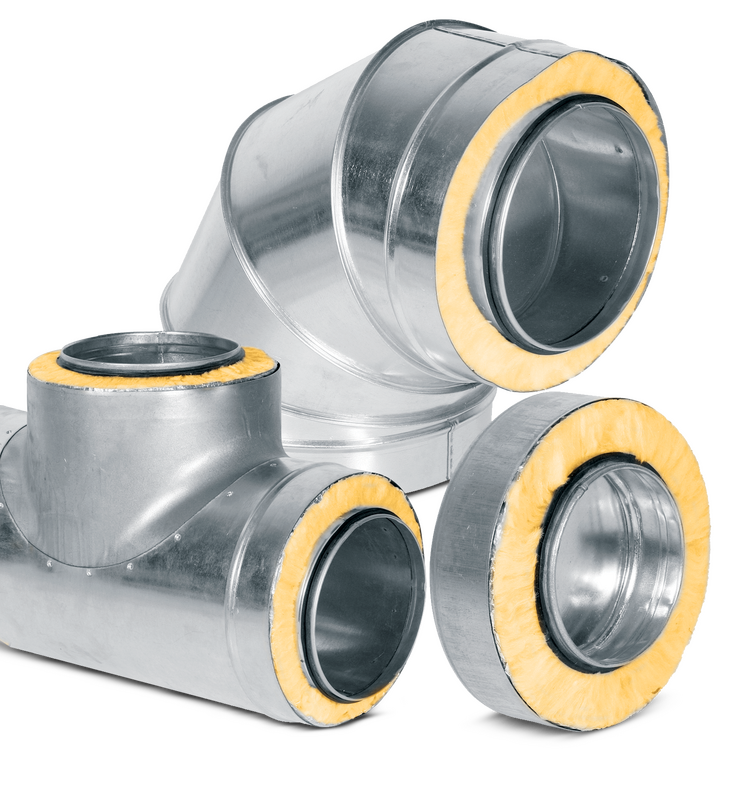
Insulated ducts are ventilation channels wrapped in a thermal layer, typically made of fibreglass, foam, or mineral wool, combined with an outer protective jacket (often aluminium or PVC). This construction provides thermal resistance, prevents condensation, and safeguards the duct from mechanical damage.
Key elements include:
Insulated duct pipe – standard sections of insulated ventilation ducting;
Insulated vent pipe – designed for specific air vent connections;
Insulated fan duct – used to connect fans to the duct system while minimising noise and heat loss;
Rigid insulated ducting – for installations requiring high structural strength and thermal performance.
These fittings and components form a complete insulated ductwork solution that maintains airflow efficiency while meeting modern energy regulations.
Key Features and Benefits
Insulated ducting solutions from Alnor deliver multiple technical and operational advantages:
High thermal resistance – reduces heating and cooling energy loss;
Moisture protection – prevents condensation build-up and related corrosion;
Noise reduction – acts as a sound barrier, improving acoustic comfort;
Easy installation – lightweight and flexible for quicker on-site assembly;
Durability – designed to withstand mechanical stress and harsh environments.
By implementing ductwork insulation, building operators can achieve:
Lower HVAC running costs;
Compliance with air duct insulation regulations;
Enhanced occupant comfort through stable air temperature;
Long-term protection of HVAC equipment from damage caused by moisture and thermal fluctuations.
Types of Insulated Ventilation Ducting & Fittings
Alnor offers a wide range of insulated ventilation ducting and fittings tailored to specific project requirements:
Flexible insulated ducting – easy to route through complex building layouts;
Rigid insulated ducting – offers maximum structural integrity and thermal performance;
Spiral ducting – available in various diameters, including 200mm spiral ducting, for larger air volumes;
Small-diameter insulated ducts – such as 100mm insulated ducting for compact ventilation paths;
Specialised fittings – including insulated fan ducting and insulated pipe ducting for specific connection needs.
Each type differs in construction, insulation thickness, and airflow capacity, allowing precise product selection for residential, commercial, or industrial systems.
Applications of Insulated Ducts & Fittings in Ventilation Systems
Insulated ductwork is essential for maintaining air temperature and system efficiency across a variety of environments:
Residential buildings – for central heating, cooling, and heat recovery systems.
Commercial spaces – including offices, retail stores, and hotels.
Industrial facilities – such as production halls and warehouses.
Public buildings – schools, hospitals, and sports centres.
They are widely used in mechanical ventilation, air conditioning, and heat recovery systems, helping to ensure consistent airflow, reduce energy waste, and meet vent pipe insulation standards.
Installation & Best Practices
For maximum efficiency and durability of ducting insulation:
Choose the right type – match insulation thickness, duct diameter, and material to system requirements.
Ensure secure joints – use proper connectors and sealants to prevent air leakage.
Protect against mechanical damage – especially in high-traffic areas or service zones.
Schedule regular inspections – check for wear, moisture, or damage to maintain performance.
Professional installation by certified HVAC technicians ensures that duct pipe insulation meets both technical and regulatory requirements.
Technical Specifications & Compliance
Alnor's insulated ducting range complies with ISO, EN, and UK building regulations, ensuring maximum safety and energy performance.
Key parameters include:
Thermal conductivity – optimised for minimal heat transfer;
Fire resistance – certified to meet relevant safety standards;
Moisture resistance – outer jackets prevent water penetration;
Air tightness – minimises leakage, improving energy efficiency.
Our products meet ductwork insulation standards and carry insulation ducting certification recognised in the UK and EU, guaranteeing compliance with air duct insulation regulations for both residential and commercial installations.
Talk to our HVAC specialists today to select the ideal insulated ducting and fittings for your next project – engineered for thermal efficiency, compliance, and long-term performance.