HVAC Dampers & Actuators – Precise Air Flow Regulation
In any efficient HVAC system, ventilation dampers and damper actuators are essential for regulating airflow, optimizing energy use, and maintaining indoor air quality. These components ensure air is delivered where it's needed—whether for heating, cooling, or ventilation—while supporting system balance and zoning strategies.
By enabling precise control of air movement, HVAC dampers help reduce energy waste, maintain stable temperatures, and align with green building standards. When paired with advanced actuators, they allow dynamic adjustments based on occupancy and environmental factors, ensuring optimal comfort and performance across all building zones.
What Are Air Dampers & Actuators?
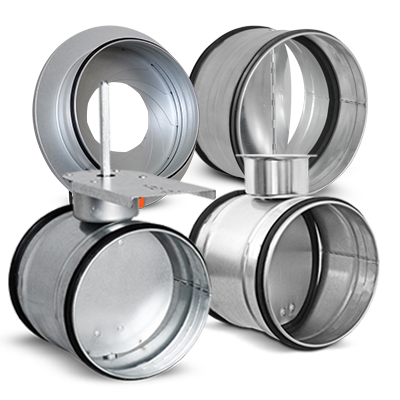
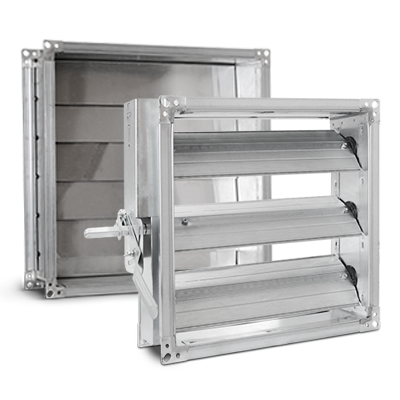
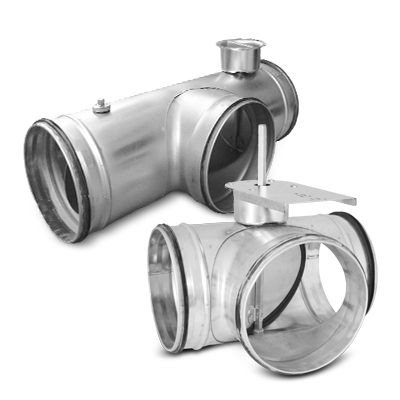
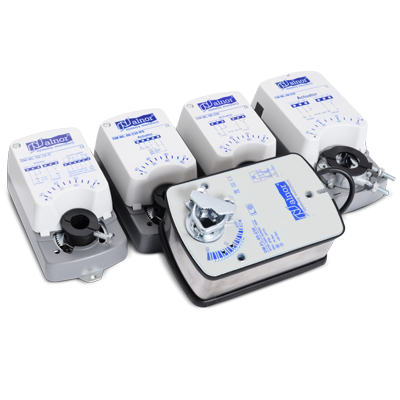
Air dampers control airflow within ductwork by opening, closing, or modulating blade positions. They are key to air balancing, zoning, and system efficiency. A damper actuator automates this process, translating control signals into mechanical movement for accurate, real-time adjustment.
Understanding what a damper actuator is and how it works is essential when designing or maintaining high-performance HVAC systems. Actuators come in various types—electric, pneumatic, and spring-return—each suited for specific control needs and building environments.
Key Features and Benefits
Precision airflow control for balanced system operation
Automation-ready with BMS compatibility
Durable, corrosion-resistant materials
Quiet operation, ideal for offices and homes
Fail-safe features for emergency scenarios
These features lead to tangible results:
Reduced energy costs through efficient airflow regulation
Improved thermal comfort across zones
Lower maintenance with extended product life
Compliance with ventilation and building standards
Types of Ventilation Dampers & Actuators
Common Damper Types:
Volume Control Dampers (VCDs) – adjust airflow in specific zones
Backdraft Dampers – prevent reverse flow when systems are idle
Fire/Smoke Dampers – ensure safety and meet fire regulations
Motorized Dampers – enable full automation of air control
Actuator Variants:
Electric Actuators – precise, reliable, widely used
Pneumatic Actuators – ideal for ATEX or special environments
Spring-Return Actuators – ensure safe positioning during power loss
Modulating Actuators – provide proportional, fine-tuned control
Choosing the right damper actuator depends on system design, control strategy, and environmental conditions. Alnor supports tailored selection for every project.
Applications of Dampers & Actuators in Ventilation Systems
Office and commercial buildings – for zone control and comfort
Industrial sites and warehouses – for airflow management in demanding environments
Residential ventilation systems – especially with heat recovery units
Laboratories and cleanrooms – where precision and air purity are critical
Medical, data center, and fire-protected zones – supporting specialized functions
From general ventilation to high-spec environments, these components improve system responsiveness, safety, and compliance.
Installation & Best Practices
Assess system needs before selecting damper-actuator combinations
Install with proper orientation and sealing to prevent leakage
Calibrate actuator ranges and verify signal integration
Inspect regularly for movement, signal response, and wear
Test fail-safe mechanisms in spring-return models
Following best practices extends lifespan, reduces downtime, and maintains efficiency.
Alnor Air Dampers – Technical Specifications & Compliance
Specifications:
Material options: galvanized steel, aluminum, stainless steel
Actuation range: electric (24V/230V), pneumatic, spring-return
Operating range: –20°C to +70°C
Pressure resistance: suitable for high-performance systems
Blade design: single/multi-blade, low leakage
Certifications:
CE marking, TÜV tested
PN-EN 1751 compliance for leakage and strength
ISO 9001 manufacturing standards
Fire damper certification: ITB, SITAC, RISE
All products are developed and tested in Alnor’s on-site laboratory to ensure consistency, performance, and adherence to energy efficiency goals.