
Ventilation filters play a critical role in maintaining healthy indoor air quality and ensuring the long-term efficiency of HVAC systems. As essential components in both residential and industrial ventilation systems, they protect users from harmful airborne particles while safeguarding sensitive HVAC components from contamination and wear. By reducing pollutants and supporting consistent airflow, ventilation filters directly contribute to energy efficiency, equipment durability, and overall indoor comfort.
This category guide offers a comprehensive overview of ventilation filters available from Alnor — helping HVAC professionals and facility managers select the best filtration solutions for their needs.
Ventilation filters are designed to trap airborne pollutants such as dust, pollen, smog, mold spores, and microorganisms that enter the building through supply air or circulate internally. Acting as the first line of defense, these filters capture contaminants before they reach occupied spaces or damage key HVAC components like fans and heat exchangers.
Functionally, air vent filters operate by forcing air through a porous material that captures particles based on their size, density, and velocity. A properly selected and installed filter not only improves indoor air quality but also protects the entire ventilation system from blockages, corrosion, and reduced performance.
High-efficiency ventilation filters significantly reduce exposure to harmful particles such as PM2.5, PM10, allergens, and volatile organic compounds (VOCs). This is particularly crucial in environments with vulnerable individuals—homes with children, elderly occupants, or allergy sufferers, as well as healthcare settings.
Clean filters prevent the accumulation of dirt and debris on internal components, extending the life of fans, ducts, and exchangers. This reduces the need for costly repairs and ensures consistent performance over time.
Clogged or improperly selected filters restrict airflow, forcing fans to work harder and consume more power. Using appropriate, clean filters maintains optimal system pressure and improves overall energy efficiency—lowering operational costs and supporting sustainability goals.
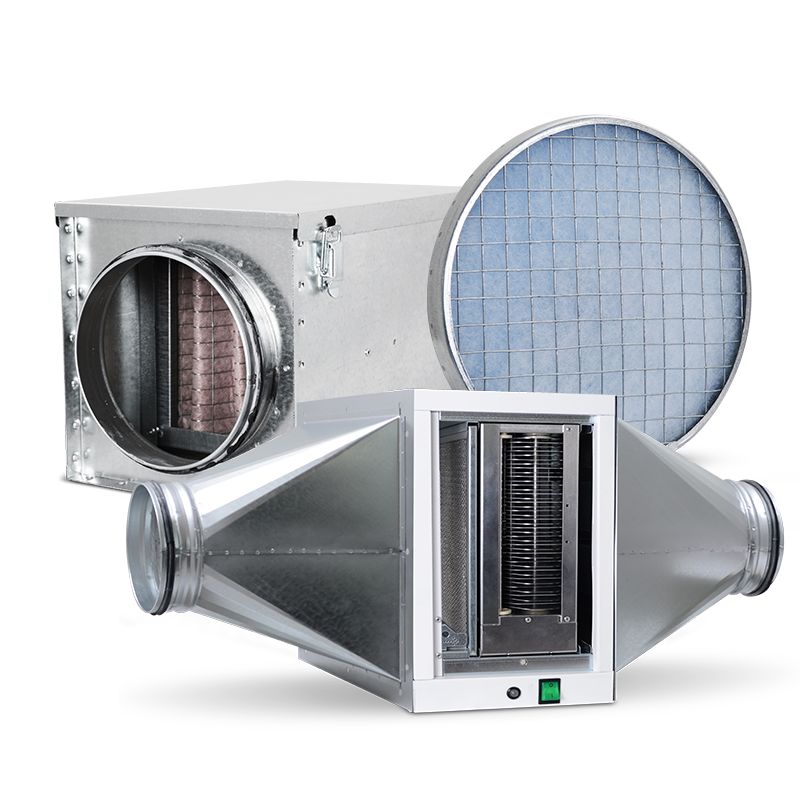
Alnor offers a wide selection of filtration products suitable for residential, commercial, and industrial applications. The filters vary in structure, filtration media, and classification based on particle capture efficiency.
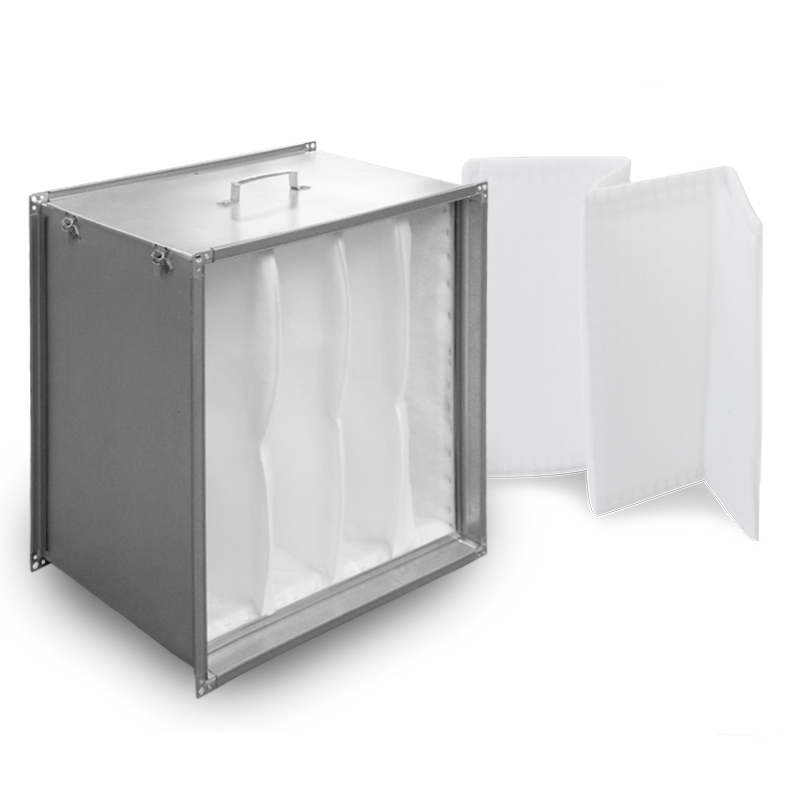
Bag filters (also known as pocket filters) feature multiple extended surface pockets that provide large dust-holding capacity. They are commonly used in commercial and industrial ventilation systems, offering high efficiency with relatively low resistance. Suitable for pre-filtration or as final filters depending on the application.
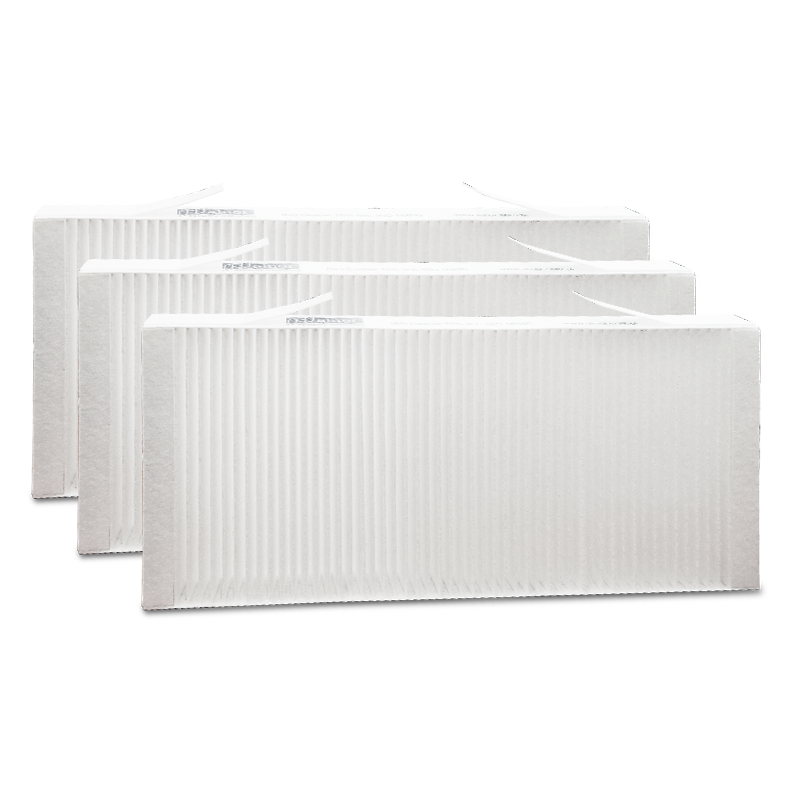
Compact filters are rigid, high-performance filters used in limited-space installations. Thanks to their compact size and high dust load capacity, they're ideal for HVAC units in buildings with demanding air cleanliness requirements, such as offices, laboratories, and clean production areas.
Panel filters are flat, surface-type filters typically used for pre-filtration or in systems with moderate air quality needs. Available in various grades, from coarse (G4) to fine (F7), they provide a balance between cost, air resistance, and filtration performance—widely used in residential and commercial HVAC systems.
Selecting the correct air filter depends on several critical factors:
Need help selecting the right product? Contact Alnor's technical team for tailored recommendations.
Proper installation and maintenance are essential to ensure the effectiveness of your filtration system. Follow these guidelines:
Routine filter changes not only maintain air cleanliness but also protect the ventilation system from performance degradation and energy waste.
Alnor's ventilation filters are engineered in accordance with the latest international standards, including:
All filters are tested in Alnor's state-of-the-art laboratory to ensure they meet stringent quality, durability, and performance criteria. Materials used in production are selected for maximum filtration efficiency, structural integrity, and safety—backed by certifications from leading institutions such as ITB, TÜV, RISE, and SITAC.
With over 30 years of industry experience and a commitment to innovation, Alnor provides reliable, high-performance ventilation filters trusted by professionals across Europe.